
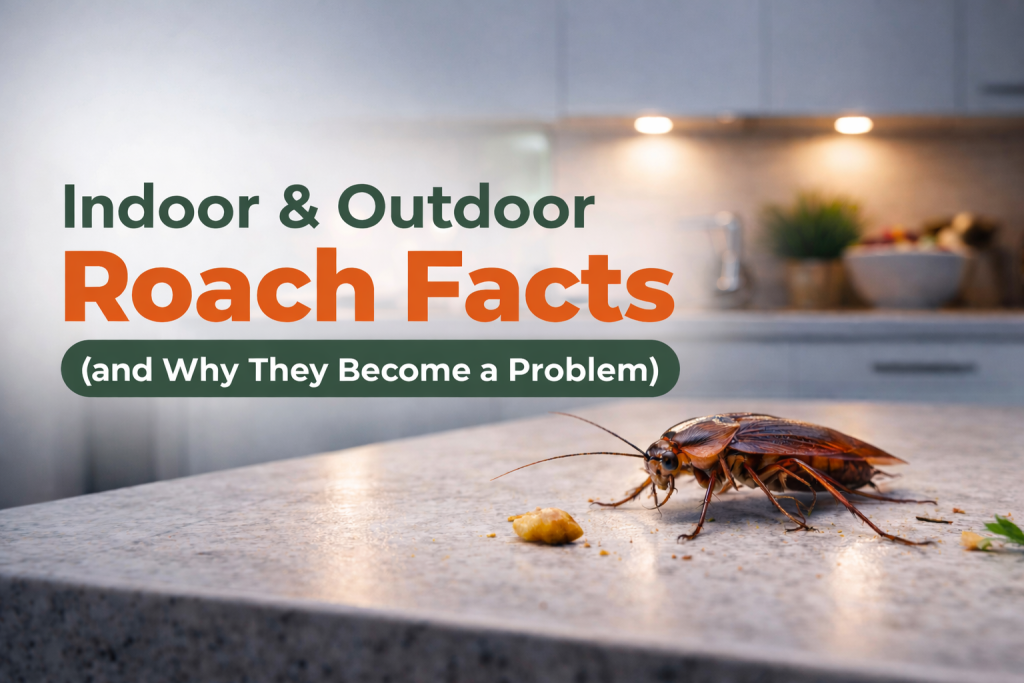
Indoor & Outdoor Roach Facts (and Why They Become a Problem)
Roaches don’t “just show up.” They follow food, moisture, and hiding spots—then multiply fast. Learn what’s attracting them and how to stop it.
A passion for creating spaces
Our comprehensive suite of professional services caters to a diverse clientele, ranging from homeowners to commercial developers.
Seeing roaches during the day usually means a larger infestation
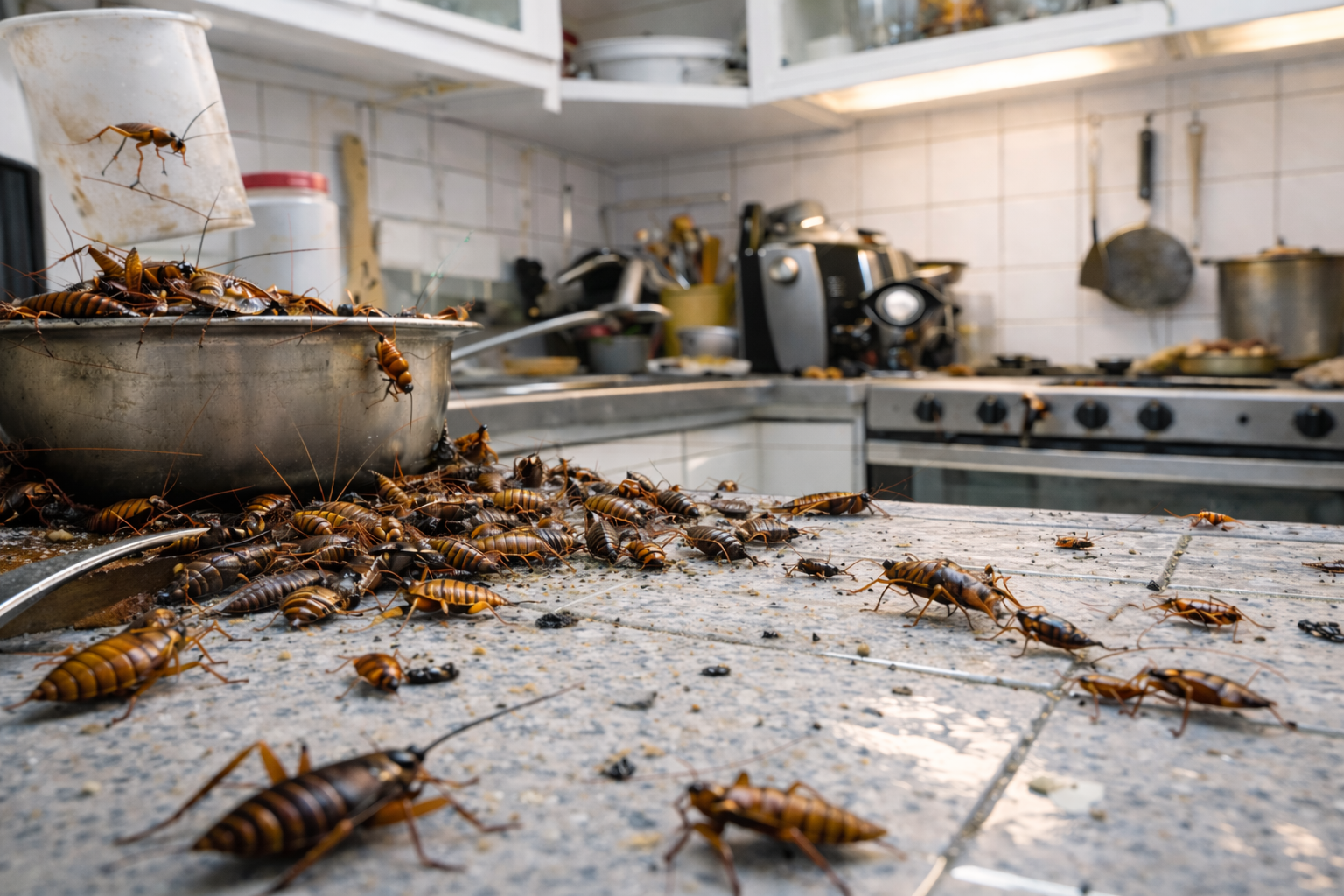
Roaches are primarily nocturnal. Daytime activity often indicates overcrowding and established nesting behind walls, cabinets, or appliances.
Roaches are drawn to moisture more than food
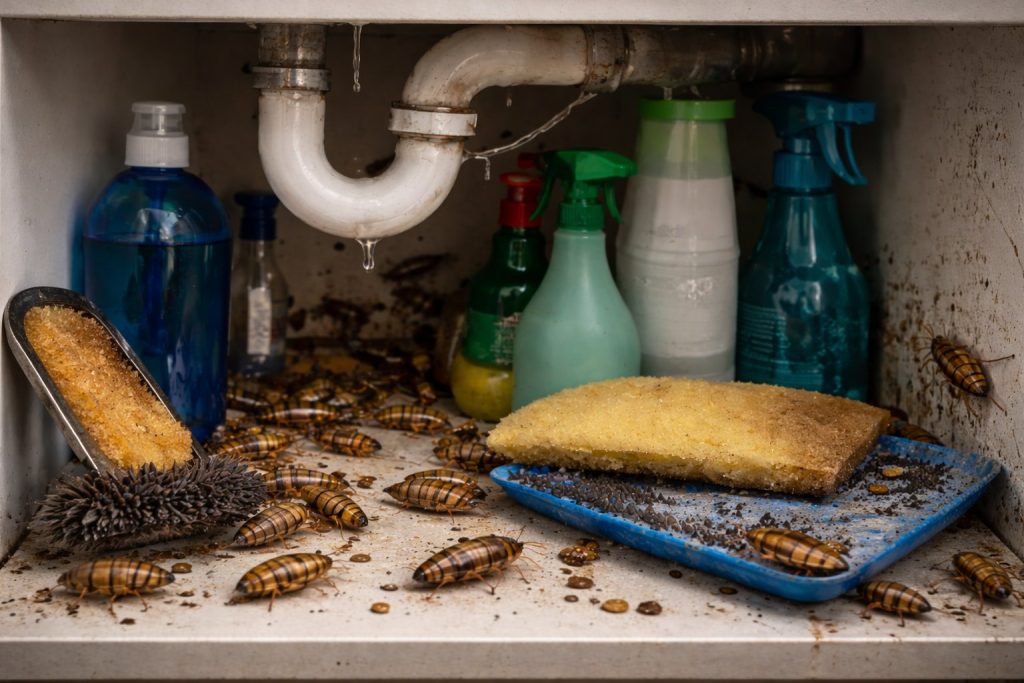
Leaky pipes, condensation, and damp areas under sinks or behind appliances are major attractants—even in clean homes.
Roaches can contaminate food and surfaces quickly
They travel through drains, trash, and sewer lines, carrying bacteria that can be transferred to countertops, dishes, and stored food.
Different roach species require different treatments
German, American, and Smokybrown roaches behave differently. Misidentification often leads to ineffective control.
If you see one roach, there are likely many more hidden
Roaches nest in cracks, voids, and appliances. Visible activity usually represents only a small portion of the population.
Store-bought sprays can make infestations worse
Many sprays repel roaches deeper into walls and spread the problem rather than eliminate it, especially with German roaches.
Indoor vs Outdoor Roaches
Why the difference matters for treatment
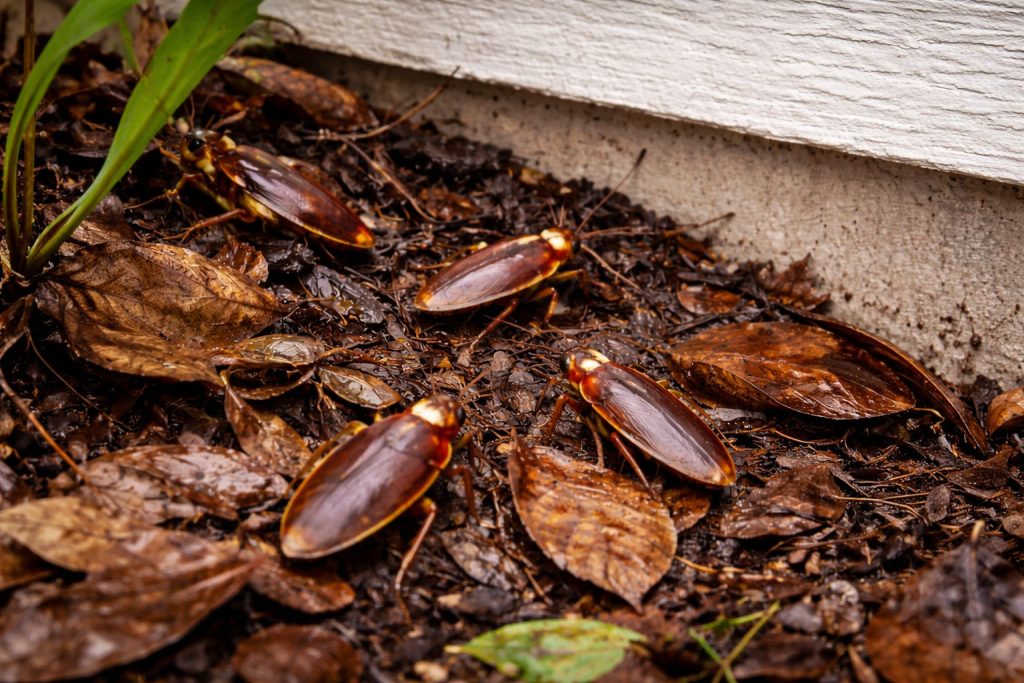
Outdoor Roaches
(Environmental invaders)
Common types: American roaches, Smokybrown roaches
Where they live:
- Mulch beds and leaf litter
- Sewer and drain lines
- Woodpiles and exterior foundation areas
What homeowners notice:
- Large roaches near doors, garages, or basements
- Activity after rain or during hot weather
- Occasional roaches indoors, especially near plumbing
Why they’re a problem:
- They enter homes seeking moisture or temperature relief
- Can establish indoors if conditions are right
- Often mistaken for indoor infestations
Treatment focus:
Exterior perimeter control, moisture reduction, and sealing entry points to prevent invasion.
Why Correct Identification Matters
Treating indoor roaches like outdoor roaches (or vice versa) leads to poor results. Effective control depends on understanding where roaches live, how they reproduce, and why they entered the home.
Indoor Roaches
(Infestation-driven species)
Common types: German roaches (most problematic), occasionally Brown-banded
Where they live:
- Kitchens and bathrooms
- Inside cabinets, drawers, and wall voids
- Behind refrigerators, dishwashers, and stoves
What homeowners notice:
- Roaches in kitchens, pantries, and bathrooms
- Activity at night when lights turn on
- Droppings in drawers or under sinks
Why they’re a problem:
- Breed rapidly indoors
- Spread bacteria on food and surfaces
- Rarely leave once established
Treatment focus:
Interior-focused control targeting cracks, crevices, appliances, and nesting areas. Store-bought sprays are rarely effective.
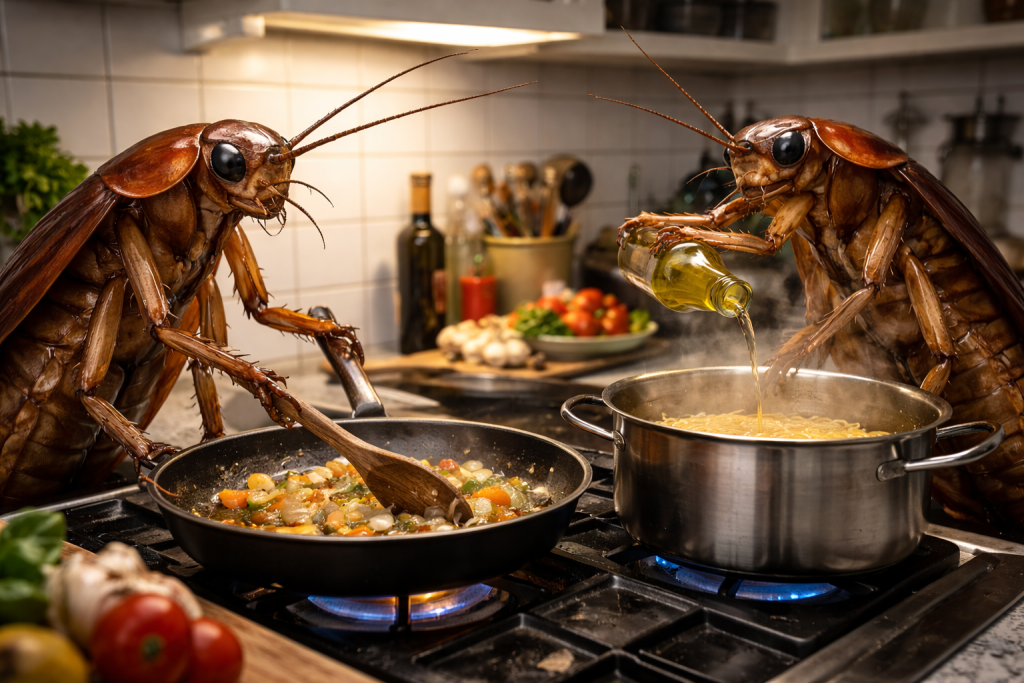
“If Roaches feel comfortable enough to cook, then it is time for professional pest control.”
Donald Casteel
Owner, PestLogic